The FCC's Lifeline NPRM Is Live — Comments Close May 4, 2026
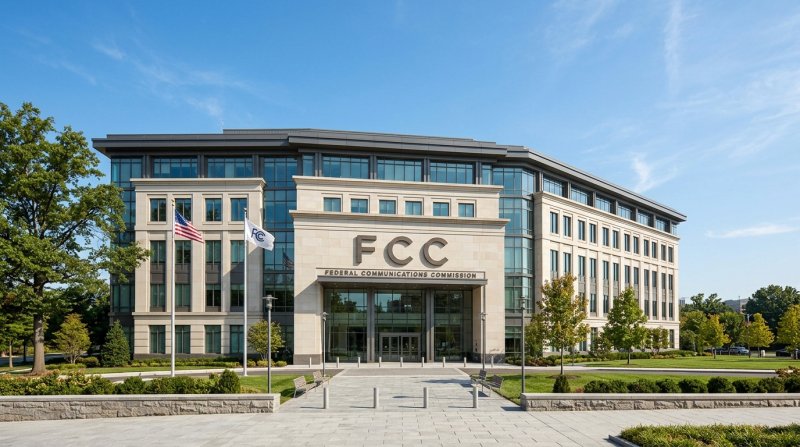
The FCC's February 2026 Notice of Proposed Rulemaking on the Lifeline program is now officially open for public comment. The reply deadline is June 2, 2026. This isn't a drill. This NPRM covers fraud controls, eligibility tightening, and suspension and debarment reforms that could fundamentally reshape how ETC providers operate.
If you run an ETC company and you're not paying attention to this, you need to start now. The FCC has made that much clear.
What Is the Lifeline NPRM?
The National Broadband Plan has been pushing for reform of the Universal Service Fund's Lifeline program for years. The FCC's February 2026 NPRM represents the most concrete step yet toward modernizing how the program works.
Here's what the FCC's March 2026 statements tell us the NPRM covers:
Fraud controls. The FCC wants to tighten how it verifies subscriber eligibility. The current NLAD system has known gaps that have allowed duplicate enrollments and fraudulent claims to slip through. The proposed reforms would give USAC more tools to audit and cross-check enrollment data in real time.
Eligibility tightening. Under the proposed rules, the FCC would tighten the criteria for which subscribers qualify for Lifeline discounts. This means ETC providers will need to do more rigorous eligibility checks before enrolling new customers.
Suspension and debarment reforms. The FCC is modernizing its suspension and debarment rules covering USF and Lifeline providers. If a provider gets flagged for non-compliance, the consequences will be more severe and harder to appeal.
All-IP transition. The NPRM also accelerates the transition of telecommunication carriers to all-IP networks. That matters because ETC providers still running legacy copper infrastructure may face accelerated sunset timelines.
Why the May 4 Comment Deadline Matters
The comment window opened on April 3, 2026. Initial comments are due by May 4. Reply comments are due June 2.
This is a narrow window. For ETC providers, this is the opportunity to shape the final rules before they lock in. Once the FCC adopts final rules, challenging them through the administrative process is slow and expensive. Getting language changed in the comment phase is far easier.
What should providers be arguing for? A few possibilities:
Realistic compliance timelines. If the FCC mandates more rigorous eligibility audits, providers need time to update their systems. A 30-day compliance window after rule adoption is not realistic for most companies running legacy infrastructure.
Clear audit standards. The current NLAD validation process is ambiguous enough that two providers can interpret the same rule differently and both be technically compliant. The FCC should publish clearer audit standards so providers know exactly what they're being judged on.
Safe harbor provisions. Providers who self-report compliance issues and demonstrate a good-faith effort to fix them should get some protection from the harshest debarment penalties. The current system doesn't distinguish between negligent fraud and genuine errors.
How AI Compliance Automation Helps Providers Prepare
The irony here is that many ETC providers are already drowning in compliance work. The FCC wants tighter eligibility checks, but running those checks manually means your operations team spends all its time verifying documents and almost no time on anything else.
ProofIQ handles this by automating the core compliance workflows that the FCC is now scrutinizing most closely.
Eligibility verification in under 30 seconds. ProofIQ's Sentra product cross-checks subscriber data against USAC records, NLAD databases, and other authoritative sources. You get a pass or fail result almost instantly, with a full audit trail attached.
FCC/USAC eligibility audits. ProofIQ's Verda product runs through the specific eligibility criteria the FCC has flagged in the NPRM. If the final rules change, Verda's rule engine gets updated and your audit process adapts automatically.
Document validation. ProofIQ's Cora product checks that subscriber documents meet FCC standards. No more relying on staff eyeballs to spot a forged or incomplete intake form.
Audit trail documentation. The FCC's proposed debarment reforms mean that when USAC comes knocking, you need to show your work. ProofIQ generates audit logs and documentation packages that prove your team followed the correct process.
What Happens If Providers Ignore This
The FCC has made its priorities clear. The Universal Service Administrative Company is already warning that it cannot commit or disburse funds during the current government shutdown period. That creates a window where compliance errors may go uncaught. Once the government is fully operational again, the FCC will be looking to make up for lost time with aggressive enforcement.
Providers who failed to submit compliant FCC Form 481 filings for the 2026 cycle are particularly at risk. The filing deadline was July 1, 2026, but the FCC has signaled that late submissions will be treated more harshly under the new debarment framework.
The other risk is simpler: if you don't comment on the NPRM, you have no standing to challenge the final rules later. If your company has a specific operational concern that the FCC hasn't considered, the only way to get it on the record is to file comments before May 4.
What's Next for the Lifeline Program
The timeline is tight. Here's what ETC providers should be doing right now:
Week of April 9: Identify the FCC regulatory counsel or outside counsel who will draft your company's comments. If you don't have one, find one fast. This is not a DIY project for your operations team alone.
Week of April 14: Work with counsel to identify the specific provisions in the NPRM that affect your operations most. Prioritize the eligibility tightening and fraud control sections since those are where the FCC is most likely to impose new requirements.
April 28: File initial comments. Don't wait until May 3. FCC comment systems get overloaded on filing deadlines, and you'll want buffer time in case of technical issues.
June 2: File reply comments if needed. This is your chance to respond to points raised by other filers and push back on anything that could create unfair burdens for providers like yours.
Conclusion
The Lifeline NPRM is the FCC's most serious attempt in years to fix a program that has long struggled with fraud, waste, and abuse. ETC providers have two choices. Engage with the rulemaking process now and help shape the final rules. Or wait until the rules are final and scrambled to comply after the fact.
ProofIQ exists specifically for providers who don't want to choose between staying compliant and actually running their business. Our compliance automation platform handles the audit work that the FCC is now expecting, with an audit trail that stands up to the stricter scrutiny the new debarment rules will bring.
The comment deadline is May 4, 2026. Start the conversation with your team today.